Give Your Food Brand a Flavorful Voice with Bold Eater
Imagine a typeface that doesn't just sit on the page but practically invites you to the table. That's the instant impression created by Bold Eater, a display font built to capture the warmth and energy of a bustling kitchen. It’s the kind of design asset that transforms a simple label into a brand experience, making it a standout choice for anyone in the culinary or hospitality space.
The Anatomy of a Friendly Typeface
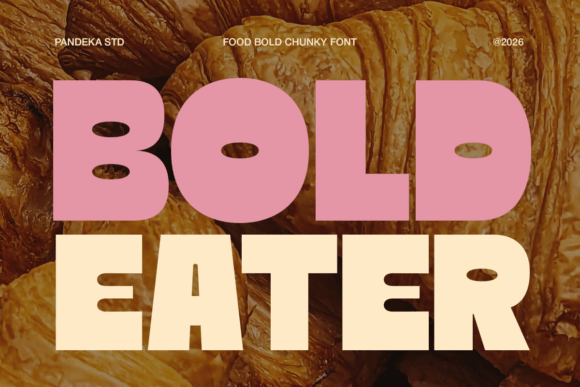
At its core, Bold Eater is a bold and chunky food display font designed to bring a playful character to your typography. Unlike rigid, geometric sans serif fonts, this typeface utilizes soft, rounded shapes and thick letterforms. This specific construction creates a visual texture that feels organic and welcoming. The rounded edges mimic the softness of fresh bread or the curves of a doughnut, while the heavy weight ensures it commands attention. This combination results in a look that is both appetizing and approachable, bridging the gap between modern typography and nostalgic comfort.
Where Warmth Meets Packaging Design
The practical applications for a premium font like this are vast, particularly when visual hierarchy is key. Because Bold Eater is designed to be eye-catching, it excels in environments where you need to make an immediate impact. It is an ideal choice for:
- Bakery Branding: Creating logos and storefront signage that feel homemade yet professional.
- Snack Packaging: Ensuring your product jumps off the shelf with a bold headline design.
- Café Menus: Highlighting daily specials or signature dishes without looking aggressive.
- Restaurant Posters: Drawing eyes to event nights or happy hour promotions.
By using a creative font with this much personality, you eliminate the need for excessive design elements. The typography itself becomes the focal point of the product label or merchandise design.
Avoiding the Trap of Overpowering Layouts
While Bold Eater is undeniably striking, effective design requires balance. When incorporating this typeface into your brand identity, it is best used for headlines and logos rather than long-form body text. Its chunky nature is perfect for "Grab & Go" or "Fresh Daily," but it might overwhelm a paragraph of ingredients or a lengthy bio.
For a polished look, consider your font pairing strategy. To maintain readability, pair Bold Eater with a clean, neutral sans serif font or a simple serif font for the supporting text. This contrast allows the display font to shine while ensuring the overall design remains easy to navigate. Whether you are designing social media graphics or web banners, this balance ensures your message is felt immediately but read easily.
Infusing Personality into Digital and Print Media
In the realm of digital marketing, personality often dictates engagement. Bold Eater works exceptionally well for social media graphics where stopping the scroll is the primary goal. Its thick letterforms remain legible even on smaller mobile screens, making it a reliable asset for Instagram stories, YouTube thumbnails, or website hero images.
Beyond the screen, this typeface translates beautifully to print. Think of the tactile experience of a restaurant poster or the tactile feel of a printed invitation. The font’s warmth adds a layer of physical texture to the design, making the printed material feel more substantial. It’s a versatile design asset that adapts to the medium while maintaining its core identity.
Making the Right Choice for Your Project
Choosing the right typeface is about more than just aesthetics; it’s about communication. A font like Bold Eater communicates flavor, friendliness, and abundance. If your project involves food promotions, merchandise, or editorial design related to the culinary arts, this font aligns perfectly with those themes.
Before finalizing your font download, review the licensing terms to ensure they cover your specific commercial usage, whether for client work or your own brand. Investing in a well-crafted typeface signals professionalism. It shows that you care about the details, helping to build trust with your audience before they even taste the product.